
AQL (Acceptable Quality Limit)
A statistical sampling standard used in inspections: it defines how many units are checked and how many defects are acceptable in a lot of a given size.
Glossary AQL, FOB, tech pack and more in plain language. A statistical sampling standard used in inspections: it defines how many units are checked and how many defects are acceptable in a lot of a given size. The list of every material and trim in a product — fabric, lining, thread, zips, buttons, labels — with quantities and specifications. The main production run of an order, made after the pre-production sample has been approved. A document confirming the country in which goods were produced. It can matter for customs duties and preferential tariffs. An Incoterm: the seller pays transport and insurance to the destination port; risk passes to the buyer when goods are loaded on the ship. The seller’s invoice for the shipment. Customs use it to check the value and description of the goods. Production method where fabric is cut into pattern pieces and sewn together — typical for garments and many bags. An Incoterm: the seller handles transport, import clearance and duties up to the buyer’s address. An Incoterm: the buyer collects the goods at the seller’s premises and takes care of everything after that. A sample made to check how a garment fits on a body or form, usually in the base size. An Incoterm: the seller delivers the goods on board the ship at the port of loading; from there, freight, insurance and risk are with the buyer. The top layer of the hide with its natural grain intact — the most durable leather grade, which develops a patina over time. The weight of a fabric. A light T-shirt jersey might be around 140–160 GSM, a heavy sweatshirt fleece above 300 GSM. The card label attached to a product, showing brand, price, size or care information. A quality check carried out while production is running, so problems are corrected before the whole order is finished. International rules (published by the ICC) that define who pays for transport, insurance and customs, and when risk passes from seller to buyer. A small fabric swatch dyed to match a target colour, sent for approval before bulk fabric is dyed. The time from order confirmation (or sample approval) until goods are ready to ship — or until they arrive, depending on how it is defined. The smallest quantity a manufacturer will produce per style, colour or material. A document listing the contents of each carton in a shipment: styles, sizes, quantities, weights and dimensions. The final sample made with the bulk materials and methods. Once approved, it is the reference for bulk production. A final inspection of finished, packed goods — usually by random sample — before they are released for shipping. Products made by a manufacturer but sold under the buyer’s own brand. The first sample of a new design, used to check shape, construction and look before fit and details are refined. Samples in every size of the size range, used to check grading and measurements across sizes. The lower layer of a hide after the top grain has been split off; often finished with a coating and used for lower price points. A technical specification document with drawings, measurements, materials, construction details and labelling — the instruction manual for producing a product. All components other than the main material: buttons, zips, labels, threads, buckles, rivets, tapes.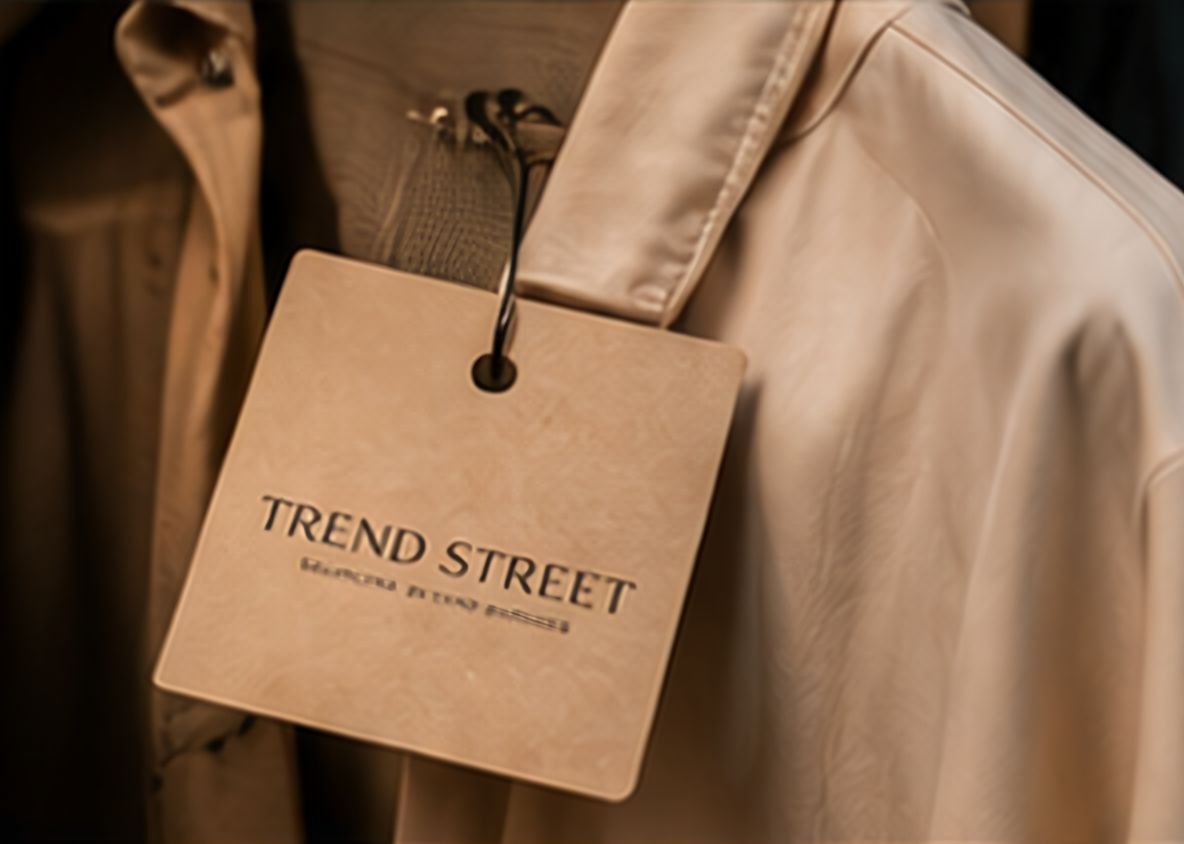
Sourcing Terms Explained
AQL (Acceptable Quality Limit)
Bill of Materials (BOM)
Bulk Production
Certificate of Origin
CIF (Cost, Insurance and Freight)
Commercial Invoice
Cut-and-Sew
DDP (Delivered Duty Paid)
EXW (Ex Works)
Fit Sample
FOB (Free on Board)
Full-Grain Leather
GSM (Grams per Square Metre)
Hang Tag / Swing Tag
In-Line Inspection
Incoterms
Lab Dip
Lead Time
MOQ (Minimum Order Quantity)
Packing List
Pre-Production Sample (PP Sample)
Pre-Shipment Inspection (PSI)
Private Label
Proto Sample
Size Set
Split Leather
Tech Pack
Trims
We’ll reply within one working day.
We use cookies to make this website work and — only with your consent — to understand how it is used and to measure our marketing. You can accept all, reject all or choose. You can change your choice at any time. Privacy Policy Cookie Policy Imprint
Choose which cookies you allow. Strictly necessary cookies are always on because the site cannot work without them.
Needed for security, the quote form and to remember your cookie choice. They cannot be switched off.
Remember choices such as language or form details to make your next visit easier.
No services are active in this category.
Help us understand which pages are useful and how the website can be improved. Data is used in aggregated form.
No services are active in this category.
Measure the success of our advertising and show relevant ads on other platforms.
No services are active in this category.
Your choice is stored in a cookie for 6 months. You can change or withdraw it at any time via “Cookie settings”.